



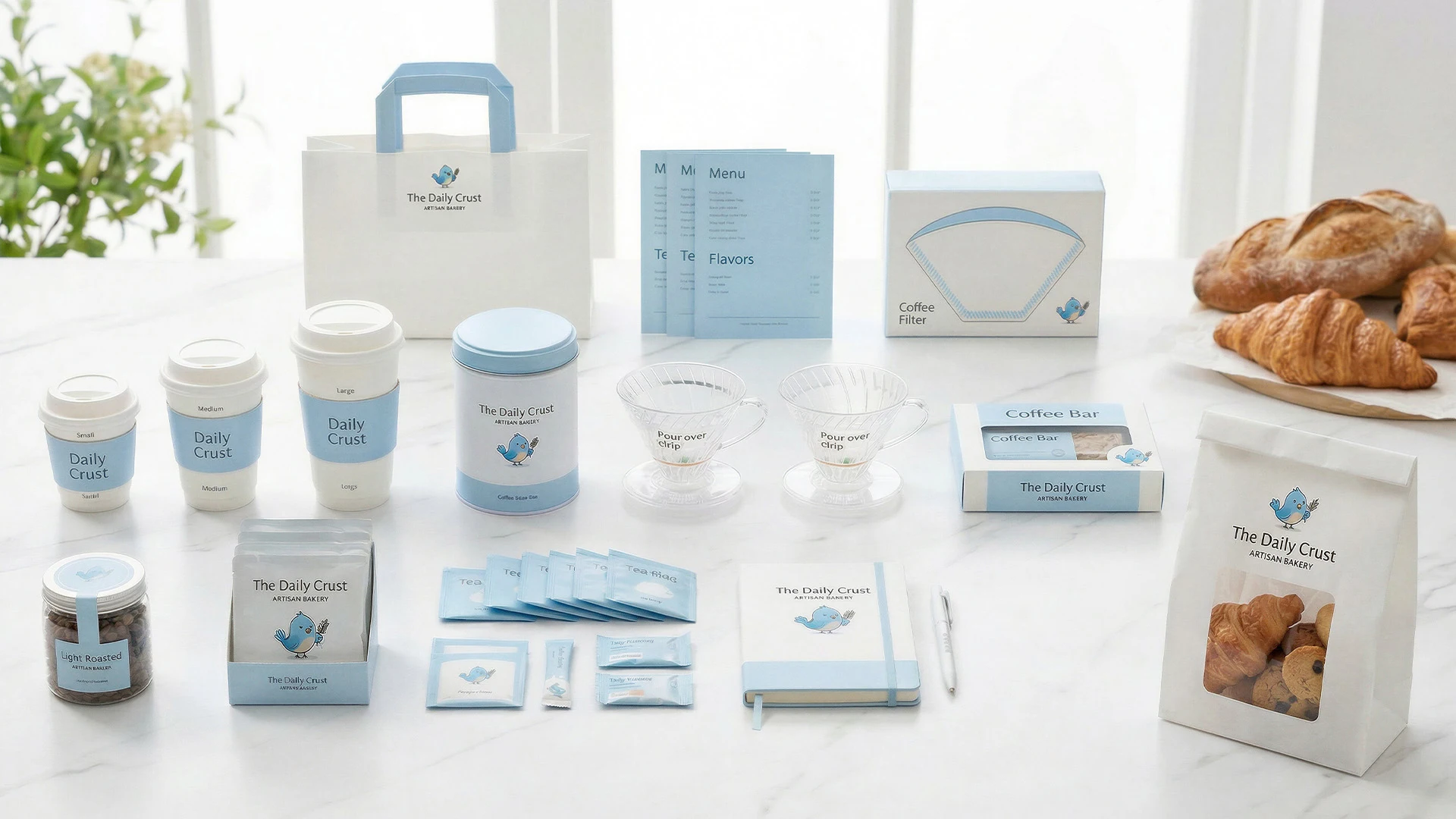
In today’s competitive food industry, packaging does far more than protect a product. It shapes first impressions, communicates brand values, and influences purchasing decisions—often within seconds. For restaurants, cafés, bakeries, and food delivery brands, packaging is no longer a secondary consideration; it is a strategic branding asset.
For ToB food businesses investing in custom printing, understanding how packaging affects customer perception is essential to building long-term brand equity.
1. Packaging as a Communication Tool
Modern consumers evaluate food products holistically. Taste matters—but so do presentation, safety cues, sustainability, and overall aesthetic appeal.
A well-designed package communicates:
-
Professionalism
-
Quality standards
-
Hygiene and food safety
-
Brand personality
-
Attention to detail
As noted by industry leaders, the way food is packaged and how it communicates health and safety significantly impacts shelf appeal. When customers see sturdy materials, clean printing, and cohesive branding, they subconsciously associate those attributes with the food itself.
2. Common Types of Food Packaging and Their Branding Role
Different food formats require different packaging solutions, but each offers branding opportunities.
At RacetopPrint, common food packaging formats include:
-
Take-out boxes for restaurants and fast-casual brands
-
Bakery bags for pastries and bread
-
Food boxes for meal delivery and catering
-
Flexible packaging for snacks or condiments
-
Ice cream cups for frozen desserts
-
Custom coffee cups for beverage service
These packaging formats serve functional purposes—protecting freshness, preventing leakage, ensuring portability—but they also serve visual and marketing functions.
For example:
-
A minimalist kraft bakery bag with a centered logo communicates artisan quality.
-
A vibrant, full-color ice cream cup signals fun and indulgence.
-
A premium laminated food box with embossing reinforces upscale positioning.
Even small elements such as custom stickers can elevate perception. A branded sticker used consistently across packaging creates cohesion and reinforces brand recognition without significantly increasing production costs.
Key Trends in Food Packaging
Modern consumers expect packaging that’s both stylish and sustainable. More brands are moving toward eco-friendly materials. As StoraEnso explains, “we can achieve reduction in food waste and also reduce the amount of materials used per package.” This shift helps food businesses reduce their environmental footprint while meeting customer expectations.
Personalization is another trend shaping modern packaging. Custom-printed designs, limited editions, and seasonal packaging help small brands compete with larger players. With low minimums and digital printing, even new businesses can create impactful packaging that connects emotionally with customers and encourages social media sharing.
The rise of e-commerce and food delivery platforms has transformed how food packaging is designed and evaluated. With more orders being delivered directly to customers’ doors, packaging now needs to be durable, portable, and visually impactful. A well-branded delivery package increases brand exposure and creates a more memorable customer experience —even before the food is opened.
How to Choose the Right Food Packaging for Your Brand
Selecting the appropriate packaging requires balancing functionality, branding, and cost-efficiency. To make the right choice, consider the following factors:
Product Characteristics
-
Is the food hot, cold, greasy, frozen, or fragile?
-
Does it require ventilation or insulation?
-
What is the expected transport duration?
Brand Positioning
-
Are you positioned as premium, eco-conscious, trendy, or family-friendly?
-
Do your packaging materials reflect this positioning?
For example:
-
Premium brands may opt for rigid boxes with matte lamination or embossing.
-
Eco-focused brands may choose recyclable kraft paper and minimal ink coverage.
Operational Practicality
-
Storage space availability
-
Assembly time
-
Stackability
-
Compatibility with delivery logistics
Customization Opportunities
-
Logo placement
-
Color consistency
-
Finishes (gloss, matte, soft-touch)
-
Use of custom stickers or labels for flexible branding
A strategic approach ensures your packaging supports both operational efficiency and brand storytelling.
How Packaging Builds Stronger Brands
Brand recognition depends on consistency. When every customer touchpoint—from food boxes to coffee cups to shopping bags—shares a unified visual language, it reinforces identity and builds trust.
Consistency includes:
-
Repeating brand colors
-
Standardized logo placement
-
Cohesive typography
-
Unified messaging tone
Some packaging even extends beyond its initial function. Reusable canvas tote bags or recycled shopping bags transform packaging into long-term brand exposure tools. Reusable items increase brand visibility while aligning with sustainability values.
When packaging is thoughtfully designed and consistently executed, it becomes an extension of your brand—not just a container.
Why RacetopPrint?
RacetopPrint helps businesses of all sizes quickly and affordably create high-quality, branded packaging solutions. We offer factory-direct pricing with no hidden fees, and a wide range of products like custom stickers, shopping bags, coffee cups, and more.
What sets us apart is flexibility — order with no minimums, making it easy to test new designs or grow at your own pace. We also offer free previews, 48-hour turnaround, and fast shipping. Perfect for food brands that value speed, quality, and environmental responsibility.
Packaging influences how customers feel about your food—and your brand. It protects the product, but more importantly, it tells your story. At RacetopPrint, we’re here to help you create food packaging that makes an impact, from shelf to doorstep. Whether you're launching a new café or scaling a delivery brand, we’ve got the tools to help you look professional, consistent, and unforgettable.


